Your "No Remote Work" Policy Is Costing You the Best Talent (And You're Too Stubborn to Admit It)
Your "No Remote Work" Policy Is Costing You the Best Talent (And You're Too Stubborn to Admit It)
Let me tell you about the business model most of you are accidentally running:
Force talented people to choose between having a career and having a life. Wonder why your best people keep leaving. Blame "quiet quitting" and "nobody wants to work anymore." Repeat.
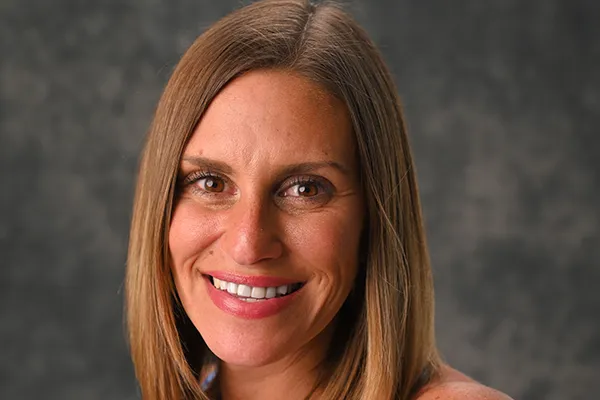
I sat down with Stefanie Beach—founder of SMB Media Consulting, Inc 5000 fastest-growing company, 2024 Enterprising Woman of the Year—and she built a thriving agency by doing the exact opposite of what most companies do.
Her radical approach? Actually giving people work-life balance instead of just talking about it in recruiting materials.
Crazy, right?
Here's what happened when she tried to find flexibility in the traditional corporate world:
She interviewed for a year. Turned down three jobs. Took a pay cut. Took a demotion. Said she wouldn't be a people manager. Took a title cut.
And nobody would hire her.
So she said farck it and built her own company. One that's now working with IBM Watson, Apple, Home Depot, and ranking 377 on the Inc 5000 list.
While still being home two days a week with her daughter.
Think about that. The talent you're turning away because they want flexibility? They're going to go build companies that compete with you. And they're going to win.
The Pool of Talent You're Ignoring (While Complaining You Can't Find Good People)
Here's what Stefanie figured out that most of you haven't:
There's an enormous pool of incredibly talented people who can't or won't work traditional corporate schedules.
Parents who want to actually see their kids grow up.
People with health issues who need flexibility.
Caregivers managing aging parents.
Anyone who realized during the pandemic that the commute-to-office-sit-in-meetings-commute-home grind was destroying their life.
These people have skills. Experience. Expertise. They're the kind of talent you're desperately trying to recruit.
And you're turning them away because they won't sit in your office 40+ hours a week.
Stefanie built her entire agency by hiring these people. The ones who were being rejected everywhere else because they wanted to work remotely, or have flexible schedules, or—god forbid—attend their kid's soccer game without it being a "loyalty test."
The result? A team so good that other agencies try to hire them away. And they say no.
Read that again. Her people get offered full-time positions at other agencies—positions that would presumably come with stability and benefits—and they choose to stay with Stefanie.
Three times this has happened. Three times her people said no thanks.
Why? Because work-life balance isn't a perk. It's a competitive advantage.
Your Clients Can Tell When Your Team Is Miserable
Stefanie dropped this line that explains why her client retention is off the charts:
"All of my employees are client-facing. They go above and beyond, and they're very proactive. My clients are so happy and excited to be working with them."
Clients literally come back asking: "Can I have so-and-so again for the next project? Can we give you more work? Can you help us with other things?"
This is what happens when your team isn't burned out, resentful, and counting down the hours until they can escape.
When your people are happy—when they have actual work-life balance, when they're not constantly stressed about missing their kids' bedtimes or skipping the gym or never seeing their families—they show up differently for clients.
They're proactive instead of reactive.
They go above and beyond instead of doing the bare minimum.
They're excited about the work instead of quietly dying inside while pretending to care about your company's "mission."
This is authentic client connections in action. Not because you trained your team to "act authentic." But because they actually ARE engaged because you're not grinding them into dust.
The "We Need Butts in Seats" Lie
Let's address the elephant in the room:
A lot of you forced people back to the office because you fundamentally don't trust them to work if you can't see them.
You say it's about "collaboration" and "culture" and "innovation."
But what you really mean is: "I need to physically see you working or I don't believe you're actually working."
That's a you problem. Not a remote work problem.
Stefanie's team is 100% remote. Spread across the US. No office. No "butts in seats."
And they're crushing it. Inc 5000. Major clients. High retention. Happy employees who actively turn down other job offers.
How? Because she hired adults and treated them like adults.
She focused on outcomes, not activity. On results, not hours logged. On whether the work gets done and clients are happy, not whether someone's at their desk from 9-5.
This is the same servant leadership model we talked about with Adam O'Connor—manage outcomes, not people.
Most of you can't do this because you're stuck in industrial-era thinking where you need to see the factory workers at their stations to know they're productive.
Your knowledge workers aren't factory workers. Stop managing them like they are.
Location-Based Hiring Is Killing Your Talent Pool
Stefanie made a brilliant strategic choice:
"Being remote allowed me to focus on talent and experience as opposed to location."
Think about what you're doing right now:
You're limiting your hiring pool to people who live within commuting distance of your office.
In a world where the best talent could be anywhere, you're restricting yourself to one geographic area.
And then you're complaining you can't find good people.
Meanwhile, Stefanie hired programmatic experts, social media experts, strategists—the best people she could find—regardless of where they live.
The result? A team of experts, not "whoever was willing to commute to our office."
This is how you build high-retention client relationships and relationship-driven revenue growth—by hiring the best people period, not the best people who live in your city and are willing to waste two hours a day commuting.
The No-Handoff Model That Makes Large Agencies Look Stupid
Here's another thing Stefanie figured out:
Large agencies are set up for inefficiency.
You've got a strategist. A media planner. A buyer. An activation person. A campaign manager.
When something goes wrong, it's a game of telephone and finger-pointing:
"This isn't working."
"Okay, let me talk to the media planner."
"Let me talk to the strategist."
"Let me talk to this person."
Nobody knows the full picture. Everyone's protecting their turf. The client gets frustrated.
Stefanie's model? One expert. Fully vested in your business.
They know the strategy. They built the media plan. They executed it. They're managing it.
When something's not working? They know exactly why and can fix it immediately.
No handoffs. No finger-pointing. No playing broken telephone with the client's money.
This is what client-focused actually looks like, not just what it says in your mission statement that nobody reads.
She Built the Company By Listening to Client Complaints
Want to know Stefanie's secret sauce?
"I tried to take what my clients complained about from their current agency and do things a little bit different."
Not revolutionary technology. Not a proprietary algorithm. Not some groundbreaking new methodology.
Just... listening to what people hate about agencies and not doing those things.
Clients hate handoffs? No handoffs.
Clients hate working with junior people while paying for senior expertise? Everyone's an expert in their domain.
Clients hate slow response times? Her team is proactive and responsive.
Clients hate feeling like just another account number? Her people are fully invested in each client's success.
This is startup wisdom that somehow 99% of startups ignore:
Stop building what YOU think is cool. Start building what solves actual problems your customers have.
Stefanie's background was in client services and account management. Years and years of hearing feedback. She took that feedback and built a company that proactively solves those problems.
Most of you are doing the opposite. You're building whatever your founder thinks is interesting, then wondering why there's no market fit.
The Balance That's Not Actually Balance
Here's where Stefanie gets real about work-life balance:
"I don't mind the flexibility as long as the work gets done and the clients are happy. But if you're blowing off client calls for the gym, that's taking it too extreme."
Balance doesn't mean "work whenever you feel like it."
It doesn't mean "the client can wait because I'm doing my self-care routine."
It means having the flexibility to manage your life while still delivering excellent work.
Big deadline coming up? Everyone puts in extra hours.
After the deadline? Time to recharge without guilt or repercussions.
Kid's sick? Handle it without having to pretend you're "working from home" while actually just stressed out.
The work still has to get done. The clients still have to be happy.
But you don't have to sacrifice your entire life to make that happen.
This is the part most companies farck up. They swing between two extremes:
Extreme 1: Rigid, inflexible schedules. Be at your desk 9-5 or you're not "committed."
Extreme 2: Unlimited PTO and "work whenever" that actually means "work constantly because we judge you on output and there's always more output to generate."
Stefanie's found the middle: Clear outcomes. High standards. Flexibility in how and when you achieve them.
Revolutionary? No. Rare? Absolutely.
The Crunch Culture Death Spiral
Here's what happens at most companies:
Big deadline → Everyone crunches → Deadline met → Immediately onto the next deadline → No time to recover → People burn out → People leave → You scramble to replace them → Client relationships suffer → Bottom line suffers.
Then leadership wonders why they have retention problems.
Stefanie gets it: "There's never time for people to pump the brakes and recharge without repercussions. It leads to people burning out and leaving, which hurts the business more."
You think you're maximizing productivity by keeping the pressure on constantly.
Actually, you're destroying your sustainable business expansion strategies by treating people like machines that don't need maintenance.
The companies that win—like Stefanie's—understand that rest isn't weakness. Recovery isn't slacking.
It's the thing that makes sustained high performance possible.
Your "always-on" culture isn't a badge of honor. It's a design flaw.
The Women Who "Have to Choose"
Let's talk about the elephant in the room that Stefanie addressed head-on:
"I don't think especially as a female you should have to choose between having a family and having a career."
But that's exactly what most companies force.
Oh, they don't say it explicitly. They just make it functionally impossible to advance if you can't work 50+ hour weeks, travel constantly, and be available 24/7.
They say "we support working parents" while promoting the people who have no boundaries and treating anyone with family commitments as "not serious about their career."
And then they wonder why they have diversity problems.
Stefanie had health issues that meant she could only have one child. She wanted to be present for her daughter while still working and doing what she loves.
That shouldn't be a revolutionary ask. But in 2018, it was.
She couldn't find a single company willing to accommodate "work from home two days a week."
So she built a company where that's the norm. And it's thriving.
Meanwhile, your company is still forcing people to choose. And the talented people who want both? They're choosing to work somewhere else.
Watch the Damn Episode
This conversation with Stefanie went deep into building trusted advisor relationships with clients by first building trust with your team, why work-life balance is a competitive advantage (not a luxury), and how listening to client complaints is better than any "innovation framework" you learned at that leadership retreat.
If you're struggling to retain top talent, losing clients to more responsive competitors, or just exhausted from the grind—this episode is your blueprint for a better way.
Watch the full episode here because Stefanie's approach to building business relationships (both internal and external) is the difference between sustainable growth and the burnout-churn death spiral.
P.S. If your immediate reaction to this is "but our industry is different, we NEED people in the office"—you're wrong.
Stefanie works with IBM Watson, Apple, and Home Depot. Fully remote team. Inc 5000 growth.
Your industry isn't special. You're just attached to outdated management practices because change is scary and admitting you've been wrong is uncomfortable.
The talent you're turning away for "culture fit" reasons? They're the ones building the companies that will replace you.
But sure, keep insisting everyone needs to be in the office while wondering why your competitors with remote-first cultures are eating your lunch.
P.P.S. That thing where Stefanie's employees turn down full-time offers from other agencies to stay with her?
That's what happens when you build a company culture that actually values people instead of just putting "people first" on your website.
Your turnover problem isn't a talent problem. It's a "you're not actually taking care of your people" problem.
Go watch the episode. Learn from Stefanie. And for god's sake, stop forcing talented people to choose between their careers and their lives. You don't win that game. Nobody does.
Karl Pontau hosts The Human Connection Podcast, where we talk about the stuff that actually matters in business: the humans running it. Because whether you're B2B or B2C, it's really H2H—human to human. Subscribe so you don't miss the next episode where we probably say something that'll make your HR department uncomfortable.


