Stop Pitch-Slapping People on LinkedIn (A Love Letter to Everyone Who's Tired of Being Treated Like a Transaction)
Stop Pitch-Slapping People on LinkedIn (A Love Letter to Everyone Who's Tired of Being Treated Like a Transaction)
Real talk: If one more person sends me a connection request followed immediately by a copy-pasted sales pitch, I'm going to lose my entire shaet.
You know the message I'm talking about. The one that starts with "Hi Karl, I noticed we're both in [industry]" and ends with "Here's my Calendly link to discuss how we can 10x your revenue."
Buddy. We've been connected for 47 seconds. I don't even know your favorite color yet.
But here's the thing—LinkedIn actually works for building business relationships in the digital age. You're just doing it catastrophically wrong.
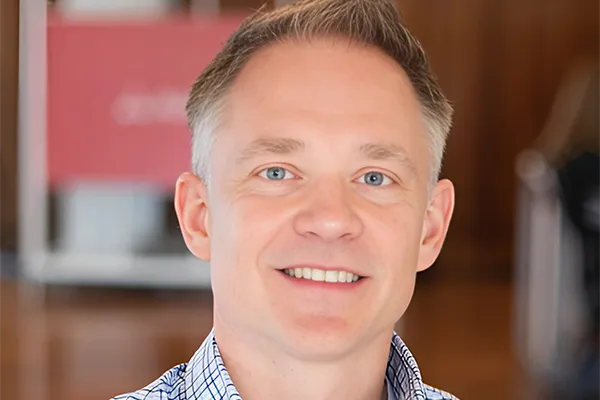
I sat down with Colin Hirdman—founder of Rainmaker and serial entrepreneur who's built over a dozen software and service businesses—to talk about how to use LinkedIn without making everyone want to block you. And what he shared? It's the antidote to every cringe-inducing "growth hack" you've been taught.
The Philosophy That Actually Builds Trusted Advisor Relationships
Colin breaks down LinkedIn strategy into three layers, and the first one is pure philosophy. Because if you get this wrong, all the tactics in the world won't save you.
Layer 1: Stop Farcking Selling
"My philosophy on LinkedIn is really, really simple," Colin explains. "Number one, you have to be authentic and genuine. The second thing is having an educational mindset because nobody wants to be sold on LinkedIn. But most people are willing to be educated on LinkedIn, especially around pain points that they have."
Let that sink in for a second.
Nobody. Wants. To. Be. Sold. On. LinkedIn.
But everyone's trying to learn something. Everyone's trying to solve a problem. Everyone's looking for insights that'll make their job easier or their company more successful.
This is relationship-driven revenue growth 101: Teach first. Sell later. Maybe never.
Colin's approach centers on understanding what your audience can learn from you. Not what you can sell them. Not how fast you can book a meeting. But what genuine value you can provide that makes their life better.
It's the difference between showing up to a networking event and immediately shoving your business card in someone's face versus actually having a conversation about their challenges and offering useful insights.
One approach makes people want to connect with you. The other makes them want to hide in the bathroom.
The Audience Layer: Who TF Are You Trying to Reach?
Here's where most people screw up before they even start: they don't know who they're talking to.
Colin uses Sales Navigator (LinkedIn's sales tool) to build hyper-targeted audiences. Not "anyone with a pulse." Not "people who might possibly maybe someday need what I sell."
Your. Ideal. Client. Profiles.
"It's important to really think about who is it you want to connect with, who is it you want to start building relationship with, and start focusing in on those specific people," Colin says.
This is sustainable business expansion strategies in action—you're not spray-and-praying across LinkedIn hoping something sticks. You're being intentional about building authentic client connections with people who actually align with what you do.
And here's the kicker: Sales Navigator lets you filter by things regular LinkedIn search can't touch. So you can get specific about titles, industries, company size, technologies they use—all the stuff that helps you find your actual humans, not just random profiles.
The Activation Layer: Where the Magic (Finally) Happens
Okay, so you've got your philosophy down. You've built your audience. Now what?
This is where Colin's approach gets deliciously practical. He calls it "activation," and it involves three main tactics:
1. Message Campaigns That Don't Make People Want to Punch You
Colin's drip campaign strategy is brilliant in its simplicity:
Message 1: Just thanks for connecting. No selling. No hidden agenda. Literally just "Hey, thanks for connecting."
That's it. That's the whole farking message.
"You're not selling anything. You're not even trying to help. You're just purely thanking them for the connection," Colin explains.
If they respond, great—have a conversation. If they don't? Wait 7-10 days and send message two.
This is how you build human connection in B2B relationships—by acting like an actual human who understands social norms.
2. LinkedIn Polls (The Sneaky Engagement Generator)
This one caught me off guard, but Colin's data doesn't lie: polls get ridiculous engagement.
Ask your network about their challenges, their preferences, their pain points. Get them engaging with you in a low-stakes, non-salesy way.
People love sharing their opinions. Use that.
3. LinkedIn Live Streams (The 24x Multiplier)
Here's where Colin really blows up the conventional wisdom about LinkedIn content.
"LinkedIn even says you get 24 times more engagement on a live stream than you do on a post," he shares. "And the average time on a live stream is three minutes."
Compare that to the 2-3 seconds people spend looking at your carefully crafted post about "5 Ways to Optimize Your Pipeline" or whatever generic shaet you threw up there.
Live streams let you:
Teach something valuable in real-time
Build relationship at scale
Create reusable content (they save as recordings)
Get your ideal clients to raise their hands by clicking "attend"
And here's the genius part: when someone clicks "attend" on your educational live stream, they've crossed a trust threshold. They've said, "Yes, I want to learn from this person."
So when you follow up afterward with a link to the recording and a call-to-action (like booking a meeting), it doesn't feel pushy. It feels like the natural next step.
"When they cross that threshold, when you follow up with a message linking back to the event recording and then putting in your Calendly link to book a meeting, it doesn't come across as salesy or pushy or icky in any way," Colin explains.
This is proactive client relationship management that actually respects people's time and intelligence.
The Path Isn't Linear Anymore (Stop Pretending It Is)
Here's what most sales teams still don't get: your prospects aren't following your neat little funnel anymore.
"It's no longer a straight funnel where you're guiding them step by step through initial touchpoint all the way through the sale," Colin points out. "They're doing their own research, looking for their own content."
So if you're creating educational content and making it easy for them to find you when they're ready? You win.
If you're still trying to force them through your rigid 7-touch cadence? You're fighting against how humans actually make buying decisions in 2025.
The companies crushing it with relationship-driven revenue growth right now? They're the ones meeting prospects where they are, not where some outdated sales playbook says they should be.
The Process Is What Matters (Not Your Fancy Tools)
Colin's refreshingly honest about this: "You can get the exact same results if you do this all yourself or if you went with me. It doesn't matter. The process is what matters."
The process:
Get your philosophy right (education over selling)
Build your targeted audience (your actual ICPs)
Activate through authentic engagement (messages, polls, live streams)
Focus on teaching what your audience needs to learn
Let the sales happen naturally when trust is built
It's simple. It's not easy. But it works.
The Bottom Line (That's Actually About Connection)
LinkedIn can be a goldmine for building business relationships in the digital age. Or it can be a wasteland of spam and pitch-slapping and people who make you want to deactivate your account.
The difference isn't tools or tactics or growth hacks.
It's mindset.
Are you there to take? Or are you there to give first?
Are you focused on closing deals? Or building relationships that naturally lead to revenue?
Are you treating people like leads? Or like humans?
Colin's framework works because it's built on a foundation of actually giving a shaet about the people you're connecting with. Novel concept, I know.
Want the full breakdown of Colin's LinkedIn strategy? Check out Episode 140 of The Human Connection Podcast. He goes deep on Sales Navigator tactics, message campaign frameworks, poll strategies, and how to run LinkedIn live streams that actually convert without feeling gross.
Because whether you're in B2B or B2C, it's really H2H—human to human.
P.S. If you're reading this thinking, "But Karl, my team needs to hit quota and we don't have time to 'educate' people for months before asking for a meeting"—I hear you. But here's the uncomfortable truth: your aggressive, transactional approach is why your conversion rates suck and your sales cycle is getting longer.
The market has changed. Your prospects have changed. They can smell desperation through a LinkedIn message from three time zones away.
You can keep pitch-slapping strangers and wondering why no one responds. Or you can try building actual humanizing business relationships that lead to high-retention client relationships and sustainable growth.
One approach makes you sound like every other desperate vendor. The other makes you the trusted advisor people actually want to work with.
Your call. But maybe stop blaming "the algorithm" when your approach is the problem.
Karl Pontau hosts The Human Connection Podcast, where we talk about the stuff that actually matters in business: the humans running it. Because whether you're B2B or B2C, it's really H2H—human to human. Subscribe so you don't miss the next episode where we probably say something that'll make your HR department uncomfortable.


